


The Role of Luck in Gambling
Luck plays a pivotal role in gambling, particularly in casino games where chance often overshadows skill. Unlike games that require strategic thinking, many casino games, such as slots or roulette, depend primarily on random outcomes. This reliance on luck can entice players, as the thrill of potentially hitting the jackpot can lead to exhilarating moments. Understanding that luck is an ever-present factor helps set realistic expectations for players entering casinos, especially when considering the instant casino withdrawal time which can enhance their overall experience, allowing them to enjoy the gaming experience without overestimating their chances of winning.
The concept of luck in gambling is intriguing and multifaceted. Some players believe in lucky charms, rituals, or even certain times of day that yield better outcomes. This belief highlights the psychological aspects of gambling and how perception can influence one’s experience. For example, a player might feel luckier wearing a specific shirt or playing at a particular time, which adds a layer of personal significance to their gaming sessions. While statistically, luck is random and not governed by personal beliefs, these rituals create a narrative that enhances the excitement of gameplay, allowing players to feel more engaged and immersed in the experience.
Luck is not only a spontaneous occurrence; it plays a consistent role in shaping players’ experiences. While skill-based games like poker require strategy and understanding of opponents, even in these games, luck can influence the early hands dealt. For instance, receiving strong cards can significantly impact a player’s approach and confidence. Conversely, a bad hand can lead to frustration and poor decision-making. The idea of luck thus exists on a spectrum, blending seamlessly with skill to create unique gambling experiences that can vary widely from one player to another.
The Science Behind Luck and Randomness
Understanding luck requires an examination of probability and randomness, which are fundamental concepts in casino games. Every casino game is designed with specific odds that determine the likelihood of winning or losing. For example, slot machines utilize Random Number Generators (RNG) to ensure that every spin is independent of the last. This technology guarantees that luck remains a decisive component in these games, making predicting outcomes virtually impossible, regardless of a player’s experience or knowledge of the game.
The science of randomness means that despite a player’s experience or intuition, there’s no surefire way to manipulate luck in their favor. Mathematically, the outcomes are predetermined by the house edge, which ensures the casino’s profitability. Understanding this can help players approach gambling with a mindset focused on enjoyment rather than an expectation of winning, as the chances are often stacked against them. This realization can also foster a healthier gambling attitude, encouraging players to view losses as part of the experience rather than a personal failing.

Moreover, studies in behavioral economics show that the human brain perceives randomness differently than it exists in reality. Players often fall into patterns of thinking that lead them to chase losses or assume they are “due” for a win after experiencing a streak of losses. This misinterpretation can lead to increased gambling activities and higher spending in hopes of turning their luck around, highlighting the psychological complexities associated with luck in gambling. Understanding these cognitive biases is essential for players to maintain a balanced perspective during their gambling experiences.
The Impact of Luck on Player Behavior
Luck can significantly affect player behavior by influencing decision-making processes and emotional responses. When players experience a winning streak, their confidence can soar, often leading them to make more aggressive bets or play for extended periods. This phenomenon, often referred to as a “hot streak,” can blind players to the underlying odds, causing them to overlook the inherent risks involved in gambling. In such moments, the excitement of winning can create a false sense of security, potentially leading to reckless gambling behavior.
Conversely, a series of losses may result in despair or frustration, leading players to either give up or double down with the hope of recovering their losses. This cyclical behavior showcases how luck can dictate not just immediate outcomes, but also long-term gambling habits. Players might find themselves on a rollercoaster of emotions influenced by luck, which can ultimately affect their overall enjoyment and relationship with gambling. Understanding these patterns can help players manage their emotions and expectations, ensuring that their gambling experience remains pleasurable rather than detrimental.
Furthermore, the social dynamics in a casino environment can amplify perceptions of luck. Witnessing other players win can create a communal sense of excitement and anticipation, prompting individuals to join in on the action. This social affirmation can distort personal evaluations of luck, making players feel more inclined to continue betting, often disregarding their personal financial boundaries due to the contagious nature of fortune among peers. Such social influences can lead to a gambling environment where the highs are celebrated collectively, while the lows are often shared in isolation.
Strategies for Navigating Luck in Casinos
While luck is inherently unpredictable, players can adopt strategies to navigate it more effectively. One approach is to establish a budget before entering a casino, ensuring that players remain within their financial limits regardless of their perceived luck. This strategy emphasizes the importance of responsible gambling and encourages players to view their time in a casino as a form of entertainment rather than a means of income. By setting clear limits, players can enjoy the experience without the stress that comes from overspending or chasing losses.
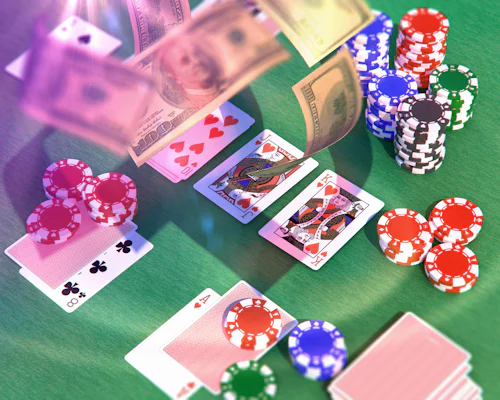
Additionally, understanding the odds of various games can empower players to make informed choices. By opting for games with more favorable odds, such as blackjack or poker, players can influence their potential outcomes despite the element of luck. For instance, knowing that certain strategies can enhance a player’s chances in blackjack allows for a more strategic approach to gameplay. Having a stronger grasp of the game’s mechanics may not alter luck but can lead to better decision-making in the long run, helping players feel more confident in their choices.
Lastly, players should practice self-awareness regarding their emotional responses to luck. Recognizing when emotions are driving decisions can help mitigate impulsive betting behavior. Taking breaks and evaluating one’s playing strategies can lead to a more enjoyable experience, reminding players that while luck may influence outcomes, maintaining control over one’s gaming habits is equally important. Ultimately, developing a mindful approach to gambling can help players strike a balance between enjoyment and caution.
Our Commitment to Providing Insightful Gambling Information
On our website, we strive to offer players rich resources that delve into the nuances of gambling, including the intricate relationship between luck and games of chance. We are dedicated to educating our audience about responsible gaming practices and the importance of a balanced approach to gambling. Our goal is to create an inclusive space where players can learn, engage, and share their experiences while understanding the role luck plays in their casino outings.
We understand that luck is only one aspect of gambling, and we aim to cover a wide array of topics—from game strategies to understanding odds and probabilities. By providing detailed insights and analyses, we hope to empower our readers to enhance their gaming experiences while remaining mindful of the risks involved. Whether you are a casual player or a seasoned gambler, our comprehensive articles are designed to keep you informed and engaged throughout your gaming journey.
Ultimately, our commitment to delivering quality content helps foster a community of informed players who understand the vital role luck plays in their casino outcomes. We are passionate about sharing knowledge, encouraging responsible gaming, and ensuring that our readers enjoy their time in casinos while keeping their emotions and finances in check. Join us as we navigate the fascinating world of gambling together, enhancing your understanding and enjoyment of this thrilling pastime.